

If you've ever looked closely at specialty coffee packaging, you've probably noticed brands proudly highlighting where their beans were grown. You'll see phrases like "high altitude," "mountain grown," or "high elevation." It's not just marketing language. The altitude at which coffee is grown has a real impact on flavor, quality, and purity. It's one of the reasons we're so committed to sourcing our beans from high elevation farms.
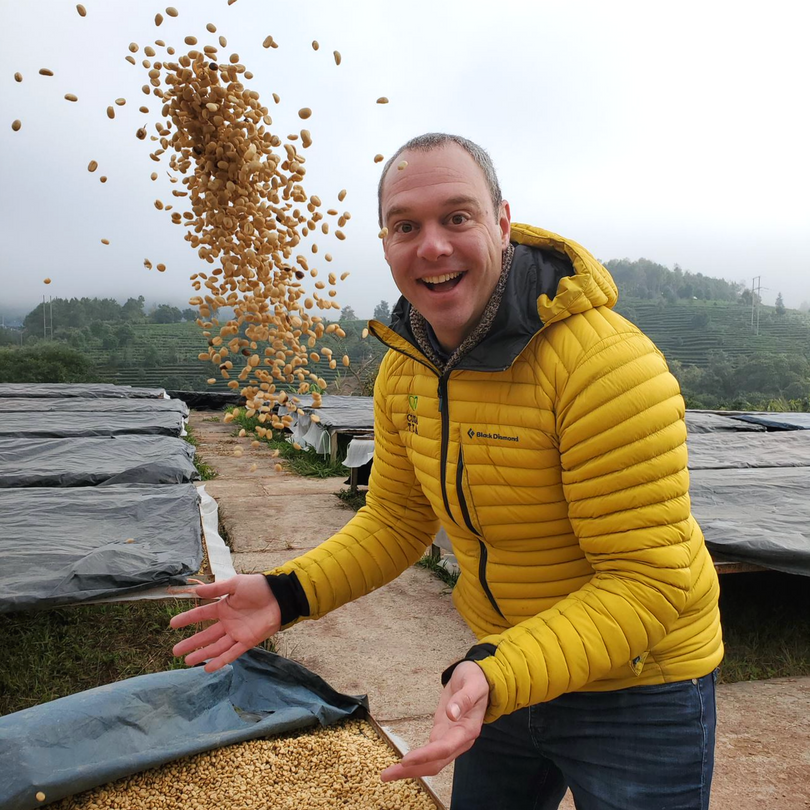
At Cusa, we use 100% Arabica beans sourced from a family owned Rainforest Alliance Certified plantation that practices regenerative agriculture at high elevations. It's a choice we made deliberately because we wanted to create instant coffee that doesn't taste like instant coffee. Understanding what happens to coffee plants at higher altitudes helps explain why elevation matters so much for the final product you're drinking.
What High Elevation Does to Coffee Plants
Coffee grows best in tropical climates within what's known as the "coffee belt," a band around the equator where conditions are ideal for coffee cultivation. Within this belt, coffee can be grown at various elevations, from lower altitudes up to mountain regions. Higher elevation coffee is generally considered superior, and there are several reasons why this matters for your cup.
When coffee grows at higher elevations, the environment becomes more challenging for the plants. The air is thinner, temperatures are cooler, and the plants are exposed to more intense sunlight. These conditions might sound difficult, but they actually create an ideal scenario for developing exceptional coffee beans. The plants adapt to these conditions in ways that directly benefit flavor and quality.
Cooler Temperatures Create Better Flavor Development
One of the most significant advantages of high elevation coffee is that cooler temperatures slow down the maturation process of the coffee cherries. Instead of rushing to ripen, the cherries develop gradually over several months. This extended growing period gives the beans more time to absorb nutrients and develop complex sugars and flavor compounds.
Think of it like the difference between a rushed meal and one that's been slow cooked with care. The extra time allows for deeper, more nuanced flavors to emerge. When beans develop slowly at high elevations, they become denser and more flavorful. The result is coffee with better complexity, brighter acidity, and a cleaner finish. You can taste this difference in every cup of Cusa coffee, where that smoothness and depth come through even after our gentle cold brew and dehydration process preserves those qualities.
Natural Advantages for Cleaner Coffee
High elevation growing conditions offer another significant benefit that's often overlooked. Many of the pests and diseases that affect coffee crops at lower elevations struggle to survive in the cooler temperatures and thinner air found at higher altitudes. This natural resistance means farmers can rely less on chemical interventions to protect their crops.
When you combine high elevation growing with organic and regenerative farming practices, like the methods used at the Rainforest Alliance Certified plantation we source from, you get coffee that's cleaner and safer. This matters to us at Cusa. We take quality control seriously, which is why every batch of our coffee is tested for pesticides, heavy metals, mold, and bacteria. Starting with beans grown in a naturally healthier environment makes a real difference in what ends up in your cup. You can learn more about our commitment to purity on our page about why we're one of the cleanest coffees on the market.
Shade Growing and Environmental Benefits
Our beans are shade grown, which is another advantage that often goes hand in hand with high elevation coffee farming. Shade grown coffee means the plants grow under a canopy of trees rather than in full sun exposure. This traditional method not only protects the coffee plants but also supports biodiversity and healthier ecosystems on the farm.
The shade slows growth even further, which continues to enhance flavor development. It also creates habitat for birds and other wildlife, promotes soil health, and reduces erosion. When you combine shade growing with regenerative agriculture practices, you're looking at a farming approach that actively improves the land over time rather than depleting it. This isn't just good for the environment. It's good for the coffee. Healthier farms produce healthier plants, which produce better beans.
Why We Source from a Single High Elevation Farm
When we were developing Cusa, we knew we wanted to create instant coffee that maintained the quality and flavor you'd expect from premium coffee beans. That meant making careful decisions about sourcing. We didn't want to cut corners or blend in lower quality beans to reduce costs. We wanted consistency, exceptional flavor, and purity in every single packet.
That's why we source exclusively from a single family owned plantation that grows high elevation Arabica beans using organic and regenerative farming practices. By working with one farm, we can maintain consistency in quality and taste. Every batch has the same high standards because it's coming from the same place, grown with the same care and attention. The Rainforest Alliance Certification ensures that the farm meets rigorous standards for environmental protection, wildlife conservation, and fair treatment of workers.
High elevation Arabica beans give us the foundation we need to create exceptional instant coffee. Then our patented cold brew extraction and gentle dehydration process preserves all those qualities that make high elevation coffee special. We use room temperature water and pressure to extract flavor rather than harsh heat, and we dehydrate gently to avoid damaging the delicate compounds that give coffee its complexity and character.
The Difference You Can Taste
The combination of high elevation beans, careful farming practices, and our unique processing method results in instant coffee that actually tastes good. Whether you're brewing a cup of our Medium Roast or Dark Roast, you're getting the benefits of beans that were grown slowly, carefully, and sustainably at high elevations. That natural complexity and smoothness you're tasting isn't something we added or engineered. It's the result of starting with exceptional beans.
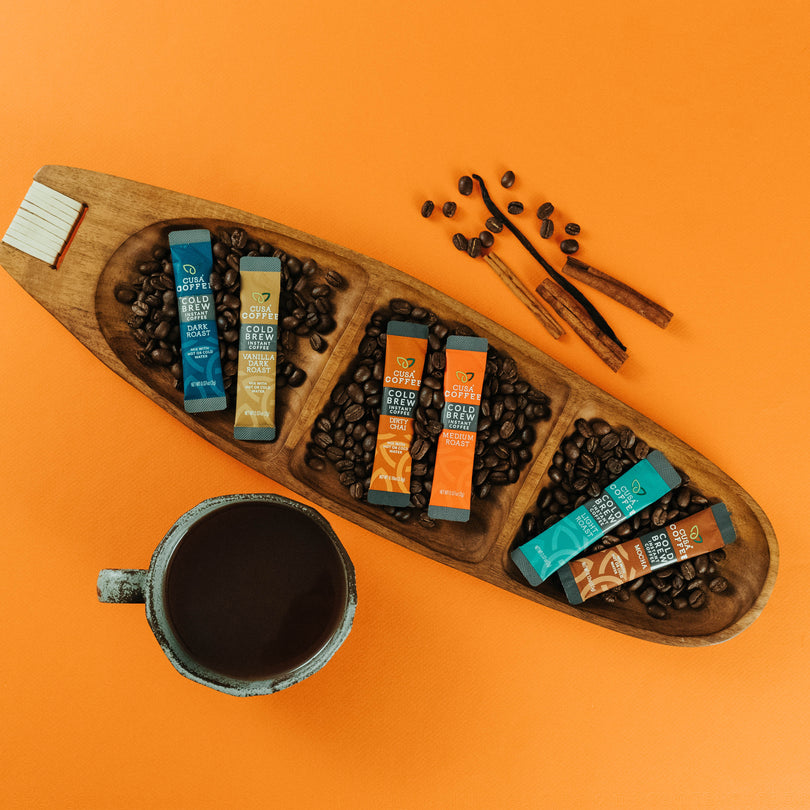
You shouldn't have to sacrifice quality for convenience. Whether you're making coffee at home before work, mixing up a cup on a camping trip, or preparing coffee in a hotel room while traveling, you deserve something that tastes as good as freshly brewed coffee from whole beans. High elevation Arabica gives us the quality foundation to make that possible. If you haven't tried our Coffee Variety Pack yet, it's a great way to experience how high elevation beans perform across different roast profiles, from light to dark.
Why It Matters
Elevation isn't just a detail on a coffee label. It's a reflection of the environment in which the coffee was grown, and that environment directly impacts flavor, quality, and purity. High elevation coffee benefits from cooler temperatures that slow development and enhance flavor, natural pest resistance that reduces the need for chemicals, and growing conditions that support sustainable farming practices. All of these factors combine to create beans that are simply better.
At Cusa, we're committed to using only the best, which is why every cup starts with high elevation, 100% Arabica beans grown with care and respect for the land by farmers who understand quality. The altitude matters because it creates the conditions for exceptional coffee. Once you taste the difference, you'll understand why we're so particular about where our beans come from and why high elevation is such an important part of our commitment to quality.