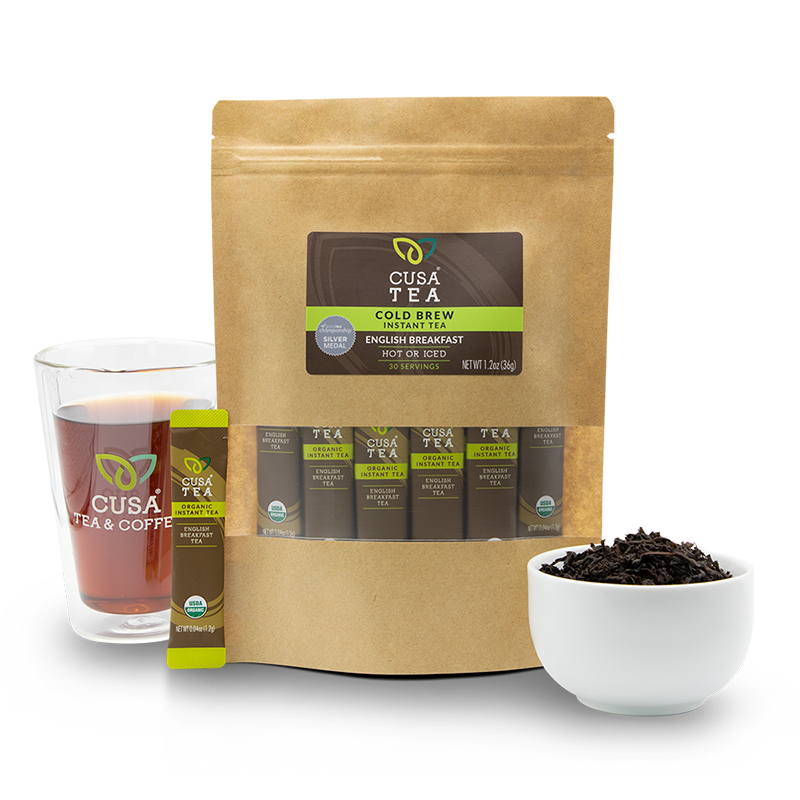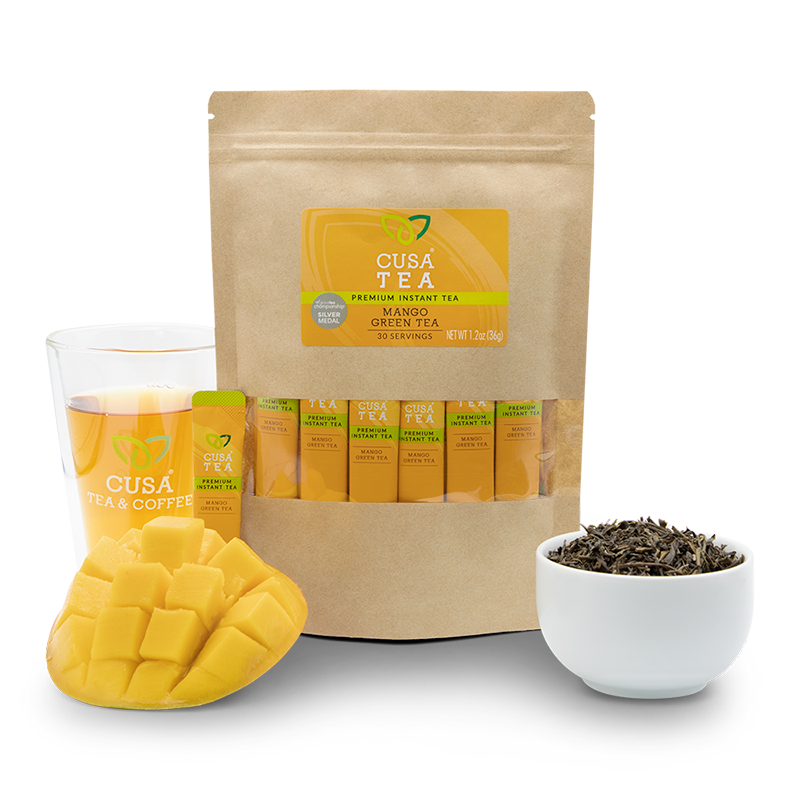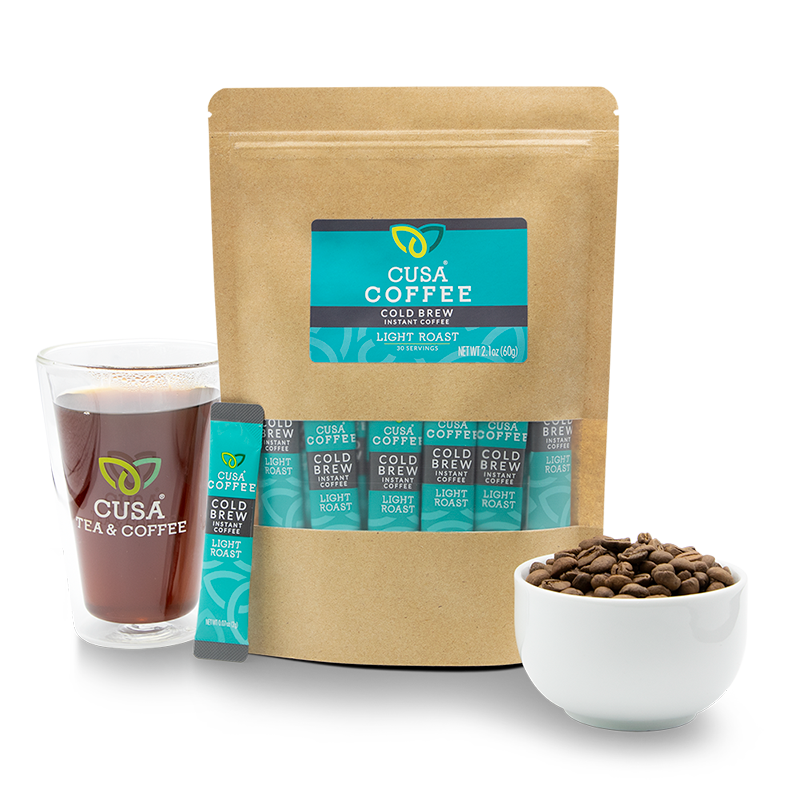
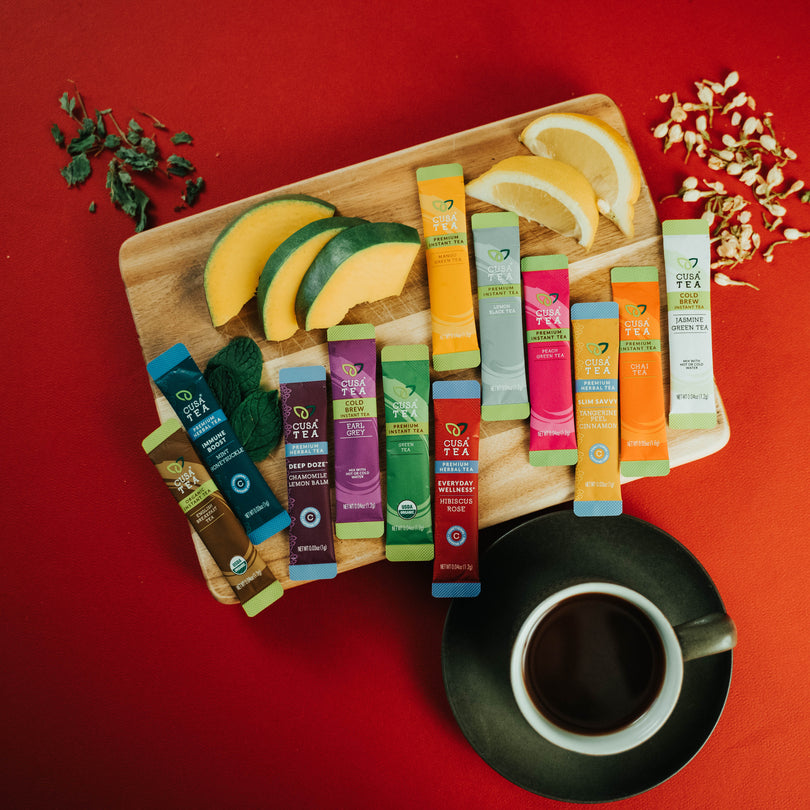
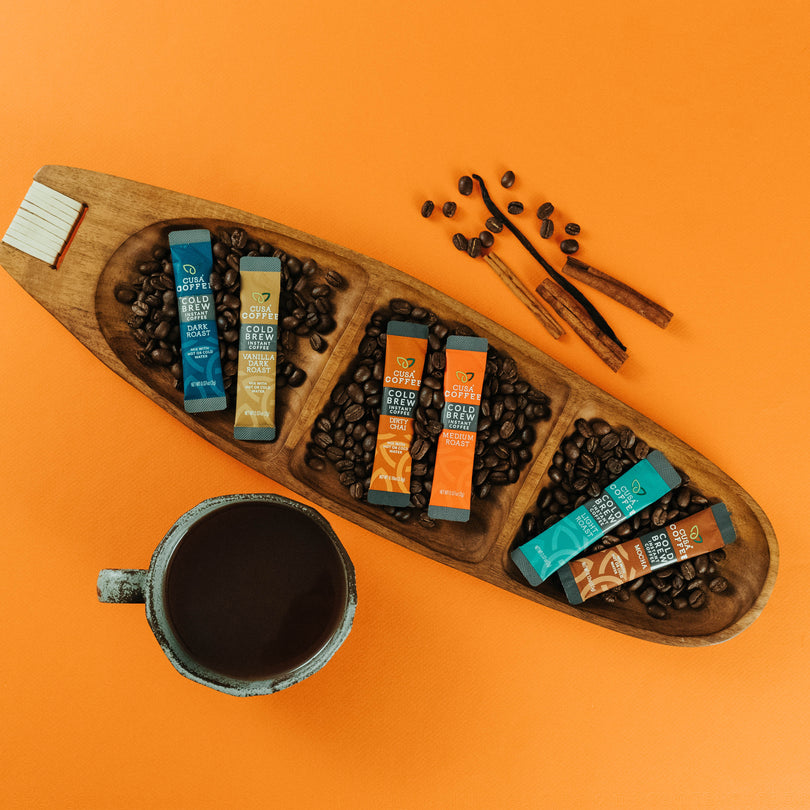


Coffee drinkers have more choices than ever. You can grab a French press, fire up an espresso machine, or just press a button on a single serve brewer for instant gratification. While K-Cups and similar coffee pods have become incredibly popular for their convenience, they come with a significant environmental cost that most people never think about. At Cusa, we believe you should not have to choose between convenience and sustainability. Our instant coffee packets offer the same quick, single serve experience without the massive waste footprint.
The numbers surrounding K-Cup waste are staggering. In 2015 alone, Keurig produced 9.8 billion K-Cups. If you lined them up end to end, they would circle the globe more than 10 times. By 2020, the global coffee capsule waste reached approximately 576,000 metric tons, equivalent to the weight of 4,400 school buses. Even John Sylvan, the creator of the K-Cup system, has expressed regret about his invention. He estimates that a single K-Cup machine creates ten times more waste than a conventional drip coffee maker.
Each K-Cup is made from plastic, aluminum foil, and a paper filter. These materials need to be sourced, processed, and manufactured into empty cups before coffee ever gets added. The cups are then packaged again into larger boxes and distributed. Once you brew your coffee, that entire package becomes waste. The plastic components can take up to 500 years to break down in a landfill.
Keurig has promised to make all K-Cups recyclable, switching from non recyclable Plastic #7 to recyclable Plastic #5. However, many recycling facilities still do not accept K-Cups. Users need to peel off the foil top, dump the coffee grounds, and recycle the tiny plastic cup separately. Most people who buy K-Cups for convenience are not going to take these extra steps. In 2018, only about 8% of plastic waste in the United States was actually recycled.
The environmental impact goes beyond the physical waste. Producing plastic and aluminum requires significant energy and resources. The entire lifecycle of a K-Cup, from raw material extraction through disposal, leaves a substantial carbon footprint.
Instant coffee packets offer a dramatically different environmental story. At Cusa, our packets are compact and lightweight, which means we are not shipping water or bulky brewing equipment. This alone saves significant energy during transportation. A single image can show 160,000 servings of our tea or coffee, demonstrating just how efficiently we use space and resources compared to liquid or pod based alternatives.
Our packaging is designed with sustainability in mind. We use recycled paper for our packaging and shipping materials. Our shipping bags are made from recycled plastic and are reusable. The coffee and tea themselves get composted instead of ending up in landfills. The only component that cannot be recycled through standard local programs is our instant coffee packets themselves. That is why we created our own recycling program. If you save your used Cusa packets and send them back to us in batches of 100 or more, we will send them to TerraCycle where they get repurposed into playground equipment and decking materials.
The production process for instant coffee also has environmental advantages. We use a cold brew method followed by gentle evaporative dehydration. This process requires less energy than traditional methods. Because we extract flavor through pressure rather than heat, we get more flavor from fewer coffee beans, reducing agricultural waste at the source.
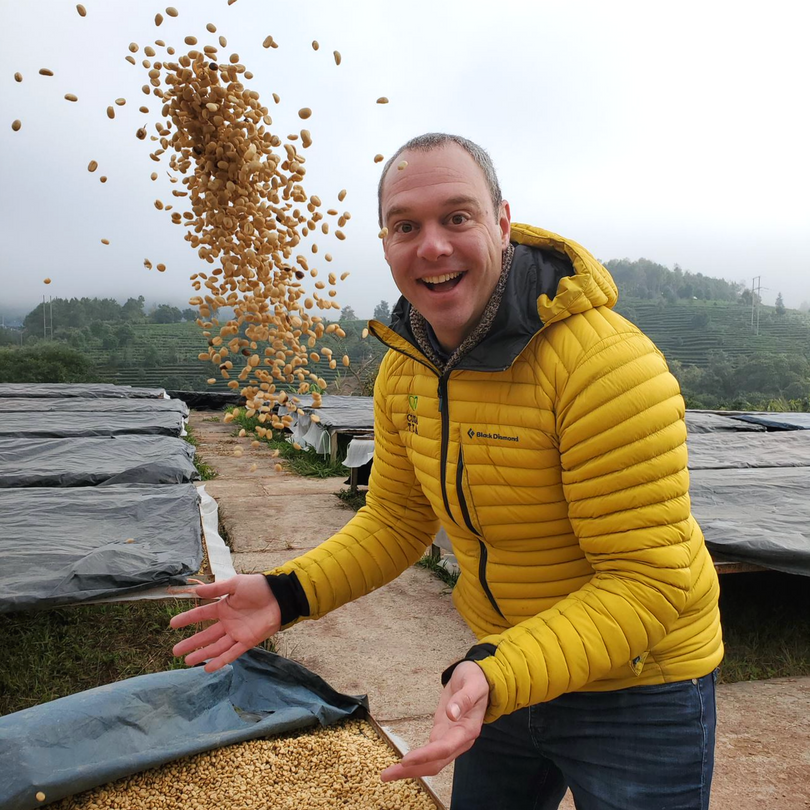
We source our coffee from a single family owned plantation that uses regenerative agriculture and organic farming practices. Our beans come from high elevation farms that are Rainforest Alliance Certified, ensuring environmental protection and fair labor practices.
Instant coffee has historically had a bad reputation for taste. That is not what we make. Our cold brew process preserves the natural flavor and aroma of the coffee. We test every batch to ensure zero pesticides, heavy metals, mold, or fungus.
The convenience factor is identical. You open a packet, add water, and you are done. No machine to buy, no machine to clean, no electricity needed. Whether you want hot coffee or iced coffee, our crystals dissolve instantly. You get the exact amount you need for one perfect cup with no waste, no leftover coffee getting dumped down the drain, and no brewing equipment that will eventually break and end up in a landfill.
Coffee culture has shifted toward convenience and speed, but that should not mean we throw sustainability out the window. The popularity of K-Cups shows people value quick, easy coffee. We just do not think you should have to create mountains of plastic waste to get that convenience. Our instant coffee packets deliver the same single serve experience with a fraction of the environmental impact.
When you look at the full picture, instant coffee packets are the more sustainable choice. You avoid the plastic and aluminum waste of K-Cups. You eliminate the need for an electric machine that draws power. You support regenerative farming practices. You get lightweight packaging that reduces transportation emissions. And you still get your coffee in seconds.
We are not asking you to sacrifice convenience or quality. We are asking you to consider what happens after you finish that cup of coffee. Do you want to contribute to the billions of plastic pods sitting in landfills, or do you want to choose an option that respects both your time and the planet?
At Cusa, we take responsibility for our products throughout their entire lifecycle. We have built systems to recover and repurpose our packaging. We partner with farms that actively improve the land they work on. Coffee is something millions of people consume every single day, and those daily choices add up. Choosing instant coffee over K-Cups is a small change that makes a real difference. The environmental cost of K-Cups is not just about the waste you can see. Instant coffee packets address every part of that equation, proving that convenience and sustainability do not have to be at odds.